
E-Waste / Sustainability
Technology Life Cycles for Good
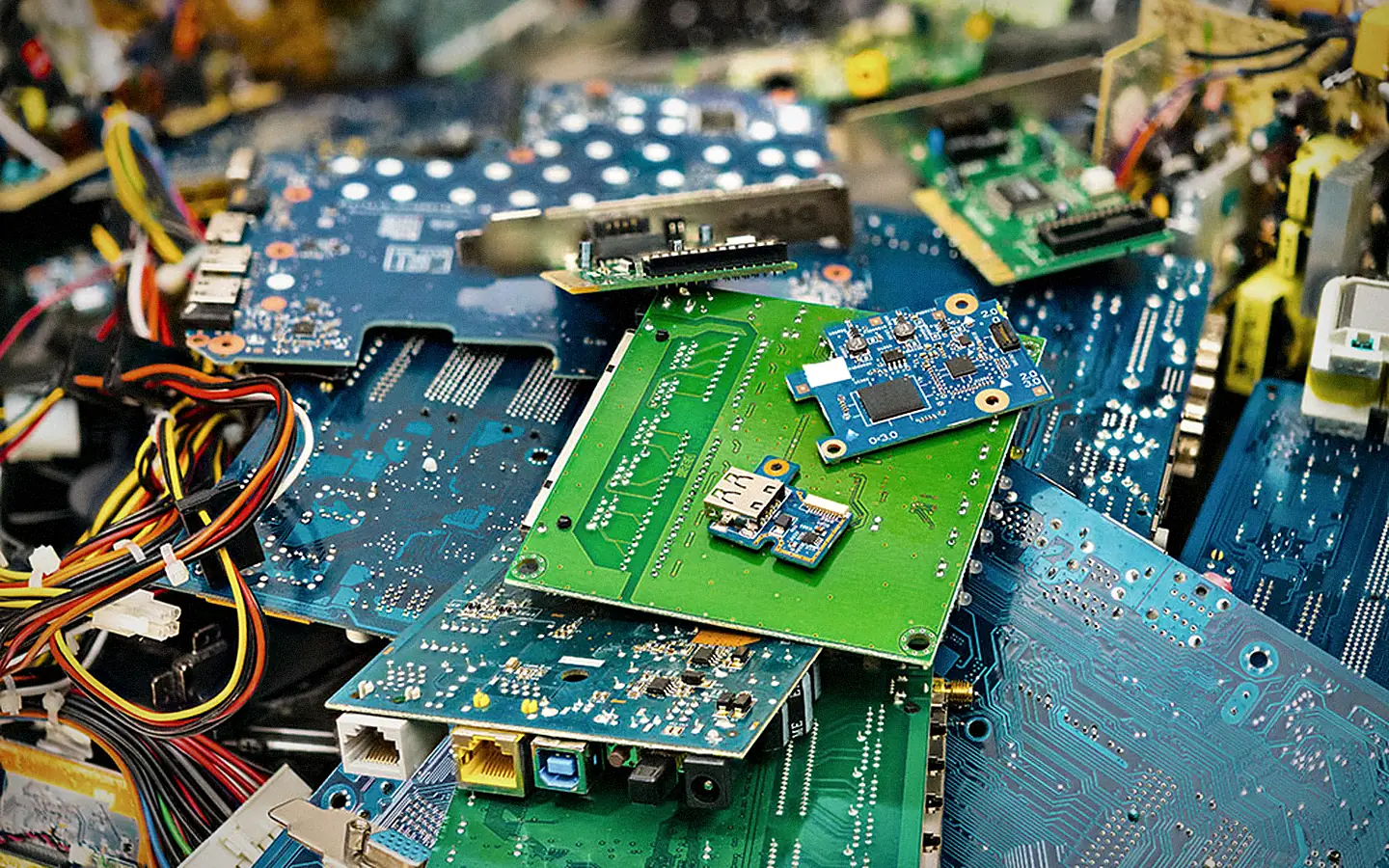
The pursuit of convenience, entertainment and utility has become a daily routine for many consumers. Our appetite for electronic gadgets translates into significant practical benefit, but also results in significant environmental impacts that we need to acknowledge, understand and address.
While e-waste ('WEEE') often dominates discussion, we also need to recognise energy consumption, emissions, conflict minerals, and non-renewable materials in electronics production.
Australians are the fourth highest generators of e-waste per capita globally, generating 23.6 kg per inhabitant or 574,000 tonnes per annum. More than 25 million mobile phones lie idle in Australian homes. Globally, the world generated 44.7 million metric tonnes of e-waste in a year with only 20% being correctly and safely recycled.
The Need for Holistic Thinking
The imperative for eco-innovation is clear. Progressive brands are often long-game players who understand the importance of good design in attracting and retaining consumers across generations. The next wave of product stewardship thinking must embrace circular design, dematerialisation, and product-service business models at scale.
Extended Producer Responsibility
The essence of electronics stewardship and EPR (Extended Producer Responsibility) requires manufacturers, producers, retailers and brands to take greater environmental responsibility for their products across the life cycle, well after the consumer has finished with the product.
Empauer's Role
Empauer recognises that companies demand leading-edge sustainability tools to support new product development as well as market success with existing products. The key is to have informed advice and the right tools to maximise sustainability performance across the spectrum.