
Food waste / Intelligence
The true cost of food loss and waste
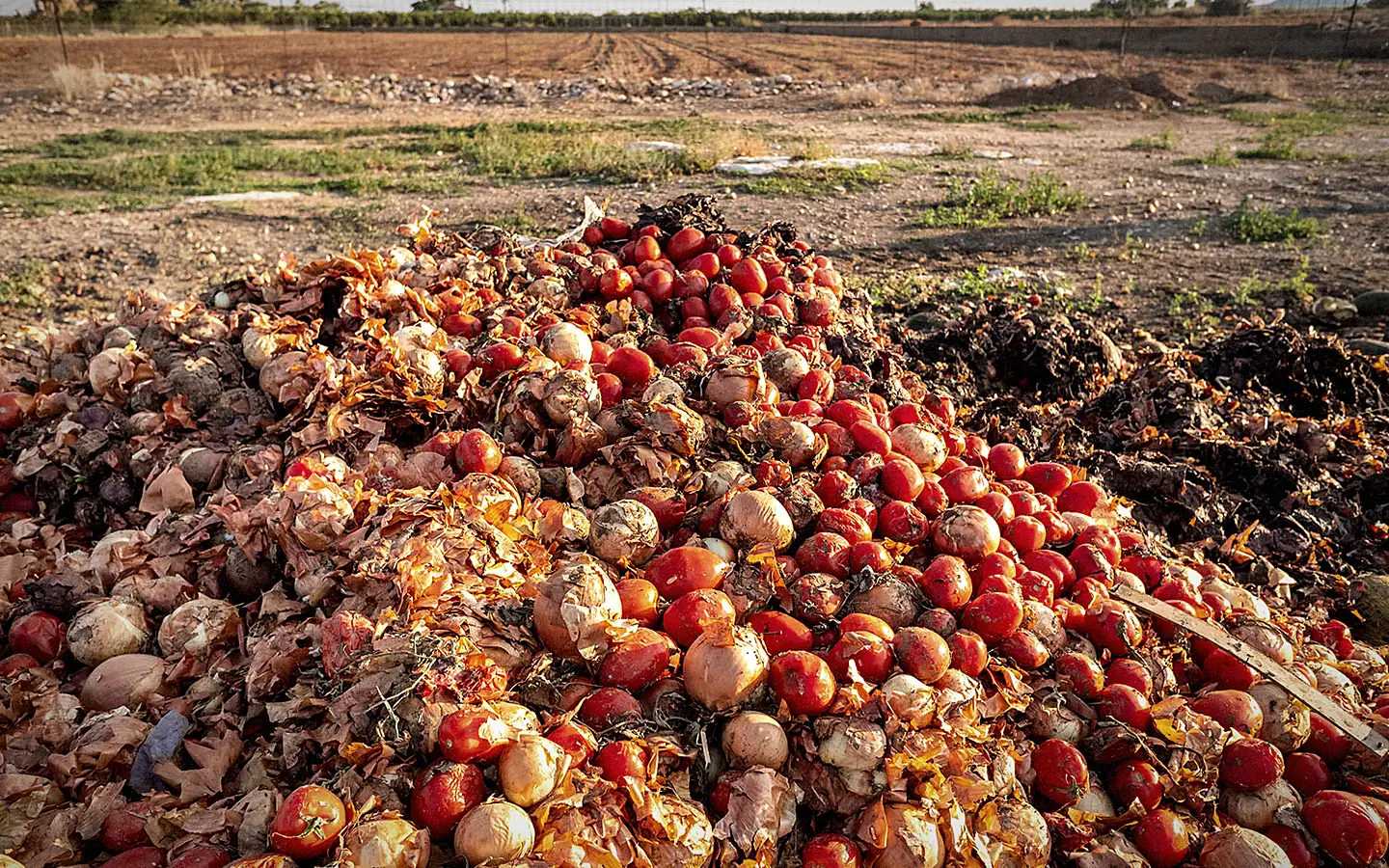
Food loss and waste is usually measured in tonnes or disposal cost. That misses the full commercial and environmental value of what's actually being lost.
Waste costs more than disposal
The true cost of food loss and waste includes the value of inputs, labour, energy, water, packaging, logistics and lost product, not just what it costs to throw away.
Direct helps teams see waste as a business performance issue, not only a sustainability metric. When the full cost is visible, organisations can prioritise the interventions most likely to protect value, aligned to the FLW Standard and ISO 14051.
Why It's So Hard to See the True Cost of Waste
US food manufacturers produce an estimated 53 pounds of food waste per thousand dollars of company revenue. Close to 95% of this material can be redirected into animal feed, fertilizer, biofuels or donated to food banks, yet significant opportunities remain for reducing what is lost in the first place.
The true cost of waste goes beyond waste management costs. It includes labour and operational costs linked to processing material that does not flow into products.
What You're Not Seeing with Waste
The mass balance approach involves charting every material that enters a food supply life cycle stage and measuring what flows into products or material loss destinations. Without a system to capture and analyse this data, companies cannot map the flows and costs of material.
Finding New Opportunities for Waste
Data-driven efforts can help make development and production processes more efficient. Once cost flow is applied to mass balance, it becomes easier to recognise business processes that reduce waste earlier in the food supply chain, including strategies at harvest, post-harvest, processing, or distribution stages.
DIRECT by Empauer
Developed in partnership with RMIT University, DIRECT is a software solution that quantifies the true cost of waste and identifies where food and non-food material losses flow across the food supply chain. It is aligned to the FLW Standard and ISO-14051 (Material Flow Cost Accounting).
Annually, over 77 million tons of food loss and waste occurs before it ever arrives to the North American consumer, representing a major loss across the board.
Do You Know the True Cost of Waste to Your Operations?
The DIRECT tool has been developed by RMIT University and Empauer to answer this question, and much more.
Businesses will be able to self-assess their food waste practices through the online Dynamic Industry Resource Efficiency Calculation Tool (DIRECT). They can use the data to identify opportunities to reduce food loss and waste and the costs associated with it. New income streams may eventuate, leading to a pivot from food waste costing industry to providing a revenue resource.